Exploring Gum Grafting Techniques
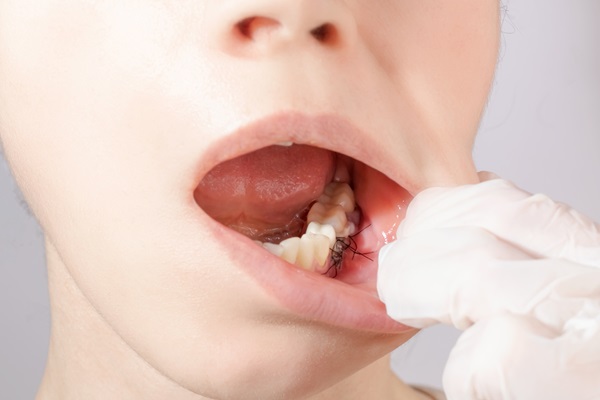
Gum grafting is a dental procedure to treat gum recession, where the gum line recedes exposing more of the tooth or its root. This condition can cause sensitivity, increased decay risk, and aesthetic concerns. Gum grafting techniques restore gum tissue to its original form to correct this issue.
What is gum grafting?
Gum grafting is the addition of tissue where the gums have receded. The grafting material may be obtained from the patient's palate, from a donor, or from synthetic materials. Graft choice depends on the patient’s case and the periodontist’s preference. This procedure improves the appearance of the gums and protects the roots of the teeth from exposure.
The gum grafting process
The steps of gum grafting include:
- Preparation: First, the periodontist will clean plaque or tartar from the graft area. They will use a local anesthetic to numb the site and minimize discomfort during the procedure.
- Graft selection and placement: The graft material is selected according to the patient's specific requirements and recession level. In the case of a pedicle graft, a flap of adjacent gum tissue is partially incised and stretched over the recession site to cover the exposed root. A free gingival graft involves removing a bit of tissue from the palate and grafting it to the recession site.
- Securing the graft: The graft is placed and often retained with sutures to achieve optimal contact with adjacent tissues and integration. The site may be covered with a dressing to aid healing.
- Healing and integration: The success of the gum graft depends on the postoperative period. The periodontist will provide specific care instructions including diet and oral hygiene instructions to avoid disturbing the graft. Over the following weeks, the grafted tissue integrates with the remaining gum tissue to promote regeneration and healthy coverage over the exposed roots.
The gum grafting procedure offers a solution for gum recession and provides both oral protection from decay and a better-looking smile. The success of the procedure depends upon the careful execution of every step along with diligent post-operative care by the individual.
Gum grafting benefits
Gum grafting reduces gum recession and prevents it from progressing. It covers exposed roots, reducing the sensitivity to hot and cold temperatures and root decay risk. From an aesthetic standpoint, gum grafting can create an even, healthy gum line for the smile. It also improves oral health by providing a secure, protective cover around the teeth.
Post-operative care and recovery
Post-operative care is essential for gum graft success. Patients might experience some discomfort and swelling. The periodontist may recommend getting prescription or over-the-counter pain relievers. Dietary modifications to soft foods and good oral hygiene are recommended to speed healing. Recovery time varies but typically takes a few weeks. Patients are advised to avoid vigorous activity and follow care instructions from their dental professional.
Final thoughts
Gum grafting is used for gum recession and related problems in periodontal therapy. Knowing the procedure and benefits of gum grafting enables individuals to make informed choices regarding their dental health care to maintain healthy teeth and gums. To learn more about this treatment, contact our office today and schedule a consultation appointment.
Request an appointment here: https://www.summitperioimplants.com/ or call Summit Periodontics & Dental Implants at (908) 219-6664 for an appointment in our Summit office.
Check out what others are saying about our services on Yelp: Read our Yelp reviews.
Related Posts
Gingivitis treatment focuses on reducing plaque, controlling gum inflammation, and preventing early gum disease from progressing. Gingivitis is the earliest stage of gum disease and may cause redness, swelling, tenderness, bleeding, or persistent bad breath. Because it does not always cause pain, an evaluation with a periodontist can help identify gum changes early and create…
Selecting an effective way to replace missing teeth can be a significant decision, and dental implants often offer a dependable solution that restores both function and appearance. These specialized fixtures fuse with the jawbone to form a solid foundation for replacement teeth. However, it is important to note that not everyone automatically qualifies for this…
Dental implants provide a long-lasting solution for missing teeth, offering functional and aesthetic benefits. Whether replacing a single tooth or supporting a full arch, dental implants help restore confidence and improve oral health. Understanding the essential facts about this treatment can help patients make informed decisions.Dental implants look, feel, and function like natural teeth. The…
Most people who have been to the dentist have never encountered laser dentistry. They are used to their dental professional scraping and polishing their teeth or using drills to fill cavities. However, periodontists are increasingly using laser dentistry because of its many advantages, both in terms of comfort and efficacy.Laser dentistry replaces many standard dental…