Dental Implant Recovery: What to Expect After the Procedure
Preparing for dental implant recovery is just as important as getting ready for the dental implants themselves. A good recovery sets the stage for successful implants that can last the rest of your life, with few additional changes or fixes. Here is what to expect after a dental implant procedure so you can adjust your schedule accordingly and your implants can heal well.
Recovering from dental implants
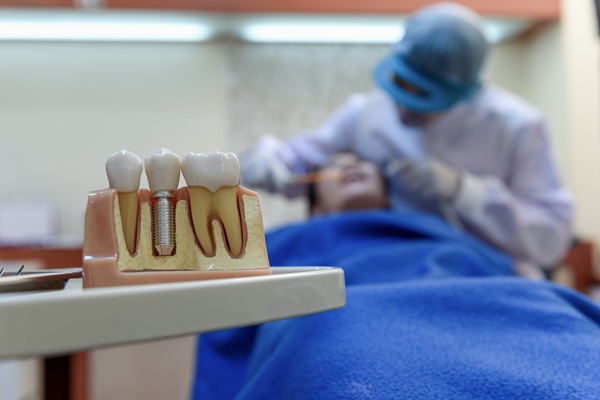
The process of installing a dental implant requires a dentist to make an incision into the gums and drill a small hole into the jawbone, where a metal post is screwed into the gap in the bone. After this, the dentist will suture the gums closed, and the patient must wait for the post to fuse with the bone tissue.
The first few hours
Since dental implants require the dentist to cut into the gums, they will use one or more pain management methods to ensure that the patient is comfortable. After the procedure, the patient can expect this pain relief to gradually fade within a few hours, so it is helpful to begin taking the pain medication that the dentist recommends, either over the counter or by prescription, before the discomfort emerges to keep it well controlled.
The site may bleed and swell, which is normal. Try not to poke the incision site with fingers or the tongue. The stitches will heal best when undisturbed.
The first day
Within the first 24 hours, the body is allocating much of its energy to healing, so patients will likely feel tired. If the site has continued to bleed slightly, individuals may also feel slightly nauseated. Stick to soft or liquid foods, but try not to suck (such as through straws or on candy) because the suction can pull on the stitches.
It is best to rest during this time. Reduce physical exertion, as blood pressure or heart rate increases may cause discomfort at the incision site. To reduce swelling, sleep at a slight incline so blood drains away from the implant location.
The first week
The swelling is typically at its worst on the second and third days. After this point, people quickly begin to feel like themselves again. Manage swelling by gently applying a wrapped ice pack to the area (on the external side of the face, not in the mouth), holding it to the site for 15 minutes, and then taking a break for 15 minutes.
Gentle salt water rinses can help ease any remaining discomfort, and patients should not hesitate to contact the dentist to ask questions. In fact, many offices will call to check up on patients in the first few days after implant placement. They may request that patients return to the office soon after the procedure to check on healing.
When to seek help
Most dental implants succeed without issue. However, excessive bleeding that does not stop or the presence of a fever should warrant a return visit to the dentist. If patients experience a foul taste that does not go away or if their condition gets worse over time instead of better, it is best to tell the dentist so they can check for infection. Patients should feel increasingly better every day post-procedure.
Make recovery seamless
A dental implant can permanently replace a missing tooth and equip your mouth with a functional restoration that restores your ability to eat and speak confidently. Speak to our office to explore dental implants or ask questions about what a normal recovery looks like after the procedure.
Request an appointment here: https://www.summitperioimplants.com/ or call Summit Periodontics & Dental Implants at (908) 219-6664 for an appointment in our Summit office.
Check out what others are saying about our dental services on Yelp: Dental Implants in Summit, NJ.
Related Posts
Selecting an effective way to replace missing teeth can be a significant decision, and dental implants often offer a dependable solution that restores both function and appearance. These specialized fixtures fuse with the jawbone to form a solid foundation for replacement teeth. However, it is important to note that not everyone automatically qualifies for this…
Dental implants provide a long-lasting solution for missing teeth, offering functional and aesthetic benefits. Whether replacing a single tooth or supporting a full arch, dental implants help restore confidence and improve oral health. Understanding the essential facts about this treatment can help patients make informed decisions.Dental implants look, feel, and function like natural teeth. The…
Although dental implants do not develop cavities, the gums, and surrounding areas still need proper hygiene. A consistent oral care routine helps ensure the implants stay strong and last for many years. Understanding how dental implants may change daily hygiene habits can help maintain a healthy and confident smile.Daily brushing is just as important for…
Not only does replacing missing teeth restore the smile’s appearance, but it also enhances oral health and helps preserve the jawbone. Dental implants are a reliable, durable solution for patients who require multiple tooth replacements, as they provide stability and a natural look and feel. There is more than one implant option available, with each…