Do’s and Don’ts Before a Periodontal Cleaning
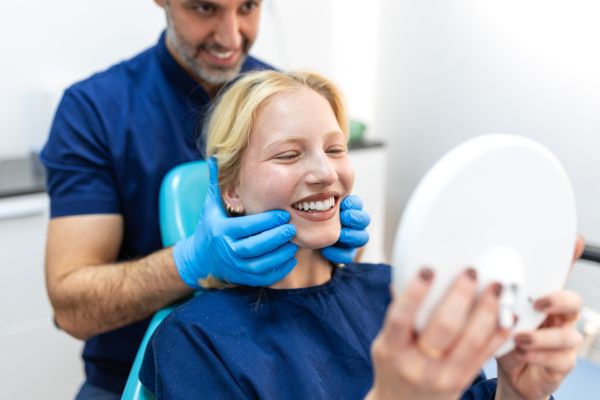
A periodontal cleaning helps control gum disease by removing plaque and tartar from areas that brushing cannot reach. Preparing can make the visit more comfortable and help the dental team work efficiently. A general dentist may recommend this deeper cleaning when gum pockets, bleeding, or bone changes suggest periodontal disease. Read on to learn the do’s and don’ts from a periodontist.
What to do before a periodontal cleaning
Patients should continue brushing and flossing before the appointment unless the dentist gives different instructions. Clean teeth allow the dental team to focus on deposits below the gumline rather than surface debris. Gentle brushing reduces irritation without making tender gums feel worse. Patients need to avoid aggressive scrubbing since it can increase sensitivity and bleeding.
It also helps to eat a light, balanced meal before the periodontal cleaning. The mouth may remain numb for several hours after treatment, making it harder to chew safely. A meal rich in protein and complex carbohydrates can help prevent hunger. Spicy, acidic, or sticky foods may irritate the gums before the visit, so mild choices work best.
Patients may want to provide a list of medications, supplements, allergies, and health conditions. Blood thinners, diabetes medications, heart conditions, and immune disorders may affect treatment planning or healing. The general dentist may adjust the timing of care or coordinate with another healthcare provider. Patients should also not stop taking a prescription without direct professional medical guidance.
What not to do before periodontal cleaning
It is important to avoid smoking, vaping, and other tobacco before the appointment. Tobacco restricts blood flow to the gums, increases inflammation, and can slow healing after a periodontal cleaning. It may also make it harder for the dental team to assess the gum tissue. Avoiding tobacco before and after treatment supports a healthier recovery.
Patients should not consume alcohol shortly before treatment. Alcohol can dry the mouth, irritate inflamed gums, and interact with medications used during dental care. It may also increase bleeding. The safest approach involves following the dentist's instructions about alcohol, sedation, and prescribed medication.
It is also important not to hide dental anxiety or sensitivity. Patients who feel nervous, have a strong gag reflex, or struggle with numbness should mention these concerns before treatment. The dental team can explain each step, offer breaks, or discuss comfort options. Clear communication helps make periodontal cleaning more manageable.
Planning for the appointment
Some periodontal cleanings treat the entire mouth, while others divide care into two or more visits. Patients should ask how long the appointment may last and whether local anesthetic will be used. Arranging a lighter schedule afterward gives gum tenderness or numbness time to fade. Soft foods and approved pain relief may help during the first day.
Prepare for healthier gums
Good preparation supports a smoother appointment and a more comfortable recovery. Following these do's and don'ts helps the periodontal cleaning remove buildup while protecting sensitive gum tissue. This preparation also gives patients greater confidence as they take an important step toward healthier gums. Call our office for more information or to schedule a periodontal evaluation.
Request an appointment here: https://www.summitperioimplants.com or call Summit Periodontics & Dental Implants at (908) 219-6664 for an appointment in our Summit office.
Check out what others are saying about our services on Yelp: Periodontal Cleaning in Summit, NJ.
Related Posts
Gingivitis treatment focuses on reducing plaque, controlling gum inflammation, and preventing early gum disease from progressing. Gingivitis is the earliest stage of gum disease and may cause redness, swelling, tenderness, bleeding, or persistent bad breath. Because it does not always cause pain, an evaluation with a periodontist can help identify gum changes early and create…
Selecting an effective way to replace missing teeth can be a significant decision, and dental implants often offer a dependable solution that restores both function and appearance. These specialized fixtures fuse with the jawbone to form a solid foundation for replacement teeth. However, it is important to note that not everyone automatically qualifies for this…
Dental implants provide a long-lasting solution for missing teeth, offering functional and aesthetic benefits. Whether replacing a single tooth or supporting a full arch, dental implants help restore confidence and improve oral health. Understanding the essential facts about this treatment can help patients make informed decisions.Dental implants look, feel, and function like natural teeth. The…
Most people who have been to the dentist have never encountered laser dentistry. They are used to their dental professional scraping and polishing their teeth or using drills to fill cavities. However, periodontists are increasingly using laser dentistry because of its many advantages, both in terms of comfort and efficacy.Laser dentistry replaces many standard dental…