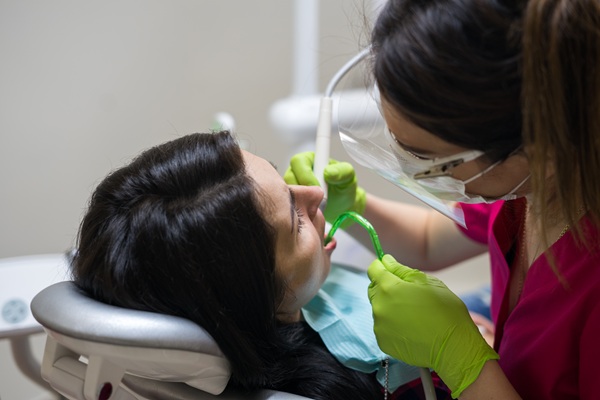
Gingivitis develops when plaque and tartar accumulate beneath the gumline, triggering inflammation that routine brushing and flossing alone cannot resolve. Fortunately, a deep teeth cleaning from a periodontist can control gum disease and even reverse gingivitis. This professional procedure addresses the underlying bacteria that cause gum irritation rather than only surface-level symptoms. When performed at the appropriate stage, deep teeth cleaning supports healing and helps restore gum tissue to a healthier state.
Gingivitis: What it is and what causes it
Gingivitis is a common form of periodontal (gum) disease. It causes irritation, redness, and bleeding around the gingiva, the tissue around the base of the teeth. While this condition does not cause gum or bone loss, it can lead to a more serious form of gum disease, periodontitis, which can cause loose or lost teeth.
The most common cause of gingivitis is poor oral hygiene. Not brushing or flossing allows plaque to build up on the teeth, leading to inflammation of the surrounding gum tissue. Over time, plaque can turn into tartar under the gumline, offering a protective shield for bacteria and irritating the tissue. The longer that the plaque and tartar remain on the teeth, the more they irritate the gingiva, leading to swollen gum tissue and bleeding.
How deep teeth cleaning reverses gingivitis
Deep teeth cleaning, also known as scaling and root planing, is a procedure where the periodontist removes plaque and tartar from beneath the gum line. During the treatment, the specialist scales the teeth to remove hardened bacteria above the gumline. Meanwhile, root planing smooths the roots and removes the plaque and tartar below the gumline.
By removing plaque and tartar from periodontal pockets, the procedure reduces bacterial load and disrupts the cycle of infection. As the gums heal, swelling and bleeding typically decrease, and pocket depths may become shallower. In many cases, deep teeth cleaning allows gum tissue to return to a healthier state without the need for surgical intervention, reversing the effects of gingivitis before it progresses to periodontitis.
Long-term benefits for gum health
In addition to reversing gingivitis, deep teeth cleaning supports long-term oral health by creating a cleaner oral environment that discourages harmful bacteria. Healthier gums contribute to stronger tooth support and reduced risk of future periodontal disease. When combined with consistent oral hygiene practices and regular professional dental cleanings, the patients can maintain the results of deep teeth cleaning over time. Preventive treatment remains an important part in preserving gum health and preventing more complex dental complications.
Address gum disease while you can
Gingivitis does not have to lead to permanent damage. When you work with a periodontist to address it as soon as possible, you can fight the bacteria beneath the gumline rather than just surface-level symptoms. Deep teeth cleanings support your healing and restore your gum tissue to a healthier condition. Call our Summit office to learn more about this procedure or to schedule an appointment.
Request an appointment here: https://www.summitperioimplants.com or call Summit Periodontics & Dental Implants at (908) 219-6664 for an appointment in our Summit office.
Check out what others are saying about our dental services on Yelp: Deep Teeth Cleaning in Summit, NJ.
Related Posts
Dental implants and dentures are two common options for replacing missing teeth, each offering unique benefits. Understanding their key differences can help patients choose the most suitable solution for their oral health and lifestyle. While both restore the smile's function and appearance, there are significant differences in durability, comfort, and maintenance.One of the biggest differences…
Dental implants often beat out other tooth replacements due to their natural appearance and durability. Although getting them can be a lengthy process, many patients find it a worthwhile one. Proper preparation can contribute to a smooth experience and optimal results. Understanding each phase of the process, making necessary lifestyle adjustments, and following professional recommendations…
Laser dentistry offers a modern, minimally invasive approach to a variety of dental treatments, making procedures more precise and often more comfortable for patients. As a periodontist, the use of dental lasers enhances the ability to treat soft tissue and certain hard tissue concerns with improved accuracy and reduced recovery times. Understanding the range of…
Tooth loss affects many people, but dental implants provide a reliable and lasting solution. Unlike other options, implants replace missing teeth in a way that looks and feels natural. They improve oral health, restore function, and enhance appearance. Understanding why implants are the preferred choice can help you make the best decision for your smile.Designed…