What To Know Before Starting Gum Disease Treatment
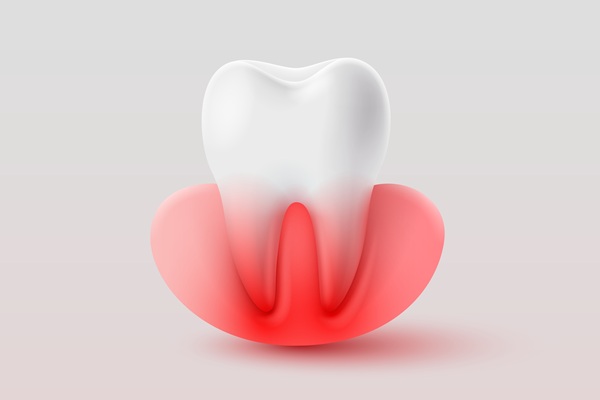
Gum disease treatment is a step toward restoring your oral health and preventing further complications. However, before you start undergoing gum disease treatment, you will need to consider several important factors to ensure an effective process and long-term outcomes. Our periodontal team will evaluate the current health of your gums and recommend a personalized approach to restore your smile.
Understanding the stages of gum disease
Gum disease typically progresses in stages, beginning with gingivitis and potentially advancing to periodontitis. Gingivitis involves inflammation of the gums, typically caused by the accumulation of plaque. This is the most common type of gum disease and is easily treatable. Common symptoms of gingivitis include:
- Red or dark red gums
- Swollen or puffy gums
- Bleeding gums when brushing or flossing
- Bad taste or breath in the mouth
- Tenderness or discomfort
However, left untreated, gingivitis can progress to periodontitis. This stage is characterized by the infection damaging the soft tissue and the supporting bone. It can lead to severe oral infections, loose permanent teeth, and
How periodontists diagnose gum disease
Before gum disease treatment can begin, a periodontist will need to perform a comprehensive periodontal evaluation. During this evaluation, they will measure pocket depths between the patient's teeth and gums. They will look for signs of gum recession, assess bone loss through dental imaging, and review the patient's medical history. Systemic conditions, such as diabetes or cardiovascular disease, may influence the effects of gum disease and impact the post-treatment healing process.
Gum disease treatment options and what to expect
Gum disease treatment may include several techniques, depending on severity of the patient's condition. These treatment options may include:
- Scaling and root planing: Also known as a deep dental cleaning, this procedure removes plaque and tartar from below the gumline and smooths root surfaces to encourage the affected tissue to heal.
- Antibiotic therapy: The periodontist may use local or systemic antibiotics to reduce infection.
- Surgical procedures: In advanced cases of periodontitis, the periodontist may recommend flap surgery or bone and tissue grafting to restore damaged oral tissues.
The periodontist will explain each procedure and its expected outcomes. Understanding these options helps patients set realistic expectations about the results and how to maintain them.
Potential side effects and healing time
As with any dental procedure, there are potential side effects of gum disease treatment, particularly after deep cleaning or surgery. These symptoms may include temporary discomfort, swelling, and teeth sensitivity. Patients may also notice that their gumline seems pulled back or uneven; this should resolve itself within a few weeks after the procedure.
Healing times vary based on the specific treatment and the individual's overall health. The periodontist will provide specific post-treatment instructions and schedule follow-up visits to monitor the patient's progress and manage any complications.
Long-term care and maintenance
While periodontal gum disease treatment can prevent further damage, individuals with a history of gum disease must maintain consistent dental care. After initial treatment, patients typically enter a maintenance phase, which will typically include regular periodontal cleanings and examinations. These visits help detect early signs of recurrence, allowing the periodontist to intervene promptly. Additionally, the periodontist may recommend gum-focused toothpaste to use at home. These products can prevent further tissue recession, bleeding, and infection.
Schedule an appointment at our Summit office
Do you have questions or concerns about your gum health? The Summit Periodontics & Dental Implants team is here to help. Contact our Summit office to discover more about our gum disease treatment options or to schedule a consultation.
Request an appointment here: https://www.summitperioimplants.com/ or call Summit Periodontics & Dental Implants at (908) 219-6664 for an appointment in our Summit office.
Check out what others are saying about our dental services on Yelp: Gum Disease Treatment in Summit, NJ.
Related Posts
A periodontal cleaning helps control gum disease by removing plaque and tartar from areas that brushing cannot reach. Preparing can make the visit more comfortable and help the dental team work efficiently. A general dentist may recommend this deeper cleaning when gum pockets, bleeding, or bone changes suggest periodontal disease. Read on to learn the…
Gingivitis treatment focuses on reducing plaque, controlling gum inflammation, and preventing early gum disease from progressing. Gingivitis is the earliest stage of gum disease and may cause redness, swelling, tenderness, bleeding, or persistent bad breath. Because it does not always cause pain, an evaluation with a periodontist can help identify gum changes early and create…
Selecting an effective way to replace missing teeth can be a significant decision, and dental implants often offer a dependable solution that restores both function and appearance. These specialized fixtures fuse with the jawbone to form a solid foundation for replacement teeth. However, it is important to note that not everyone automatically qualifies for this…
Dental implants provide a long-lasting solution for missing teeth, offering functional and aesthetic benefits. Whether replacing a single tooth or supporting a full arch, dental implants help restore confidence and improve oral health. Understanding the essential facts about this treatment can help patients make informed decisions.Dental implants look, feel, and function like natural teeth. The…