When Tooth Extraction With Dental Implants Is Recommended
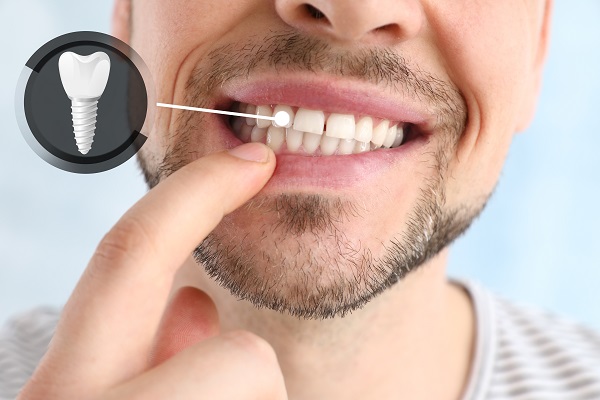
If you are missing teeth, dental implants are an oral health solution with the look and function of natural teeth. Although it may seem contradictory, sometimes a dentist needs to extract a tooth before an implant is placed. There are numerous reasons why a tooth may need to be removed, but the overall goal is to improve overall oral health and prevent future decay.
Situations when dentists may recommend extraction
A dentist will do whatever possible to save natural teeth. However, there are times when a tooth is too damaged to be saved, and, if this is the case, an extraction can be better than keeping the tooth.
Significant cavities
Most cavities can be treated with a filling. For larger cavities, a crown may be recommended. However, if the cavity is extremely large and destroys the majority of the tooth's structures, neither a filling or a crown will suffice, and an extraction is recommended.
Injuries
An injury or accident, such as a car crash or a sports collision, can cause significant damage to a tooth or multiple teeth. In rarer instances, an injury may cause damage to the jaw. In both cases, extraction can become necessary.
Severe cracks or breaks
Teeth can crack due to grinding or chewing on too-hard substances such as ice. If the tooth has a small crack, the dentist may be able to save it. However, a major fracture, especially if it involves the root or runs vertically, is usually unsalvageable.
Overcrowding
As well as damage, another common reason for extraction is overcrowding in the mouth. Overcrowding can cause the teeth to become misaligned, and the overlapping makes it difficult to brush or floss properly, which increases the chances of decay. Extraction sometimes is performed before orthodontic work so there is room for the teeth straightening.
Impaction
Unlike the other teeth, an impacted one is typically not visible. An impaction means that the tooth does not, or is unable to, surface through the gums. This tooth may be in a position that prevents it from emerging, or it may be blocked by a lingering baby tooth, another permanent tooth, or a gum cyst. While wisdom teeth are most commonly impacted, other teeth can be as well and may need dental implants once extracted.
The importance of a dental implant after a tooth extraction
In many cases of tooth extraction, the placement of an implant is recommended. If a missing tooth is not replaced, over time the neighboring teeth begin to shift and the jawbone begins to lose density. Replacing these gaps with dental implants helps preserve the underlying bone. Implants also provide a stable foundation, which makes it easy to eat and speak like normal. If cared for properly, an implant may last a lifetime.
Conclusion
If you have teeth that are severely damaged, a tooth extraction may be recommended. To replace the gap, dental implants provide stability and natural-looking teeth.
Are you considering dental implants in the Summit area? Get more information at https://www.summitperioimplants.com/.
Check out what others are saying about our services on Yelp: Dental Implants in Summit, NJ.
Related Posts
Selecting an effective way to replace missing teeth can be a significant decision, and dental implants often offer a dependable solution that restores both function and appearance. These specialized fixtures fuse with the jawbone to form a solid foundation for replacement teeth. However, it is important to note that not everyone automatically qualifies for this…
Dental implants provide a long-lasting solution for missing teeth, offering functional and aesthetic benefits. Whether replacing a single tooth or supporting a full arch, dental implants help restore confidence and improve oral health. Understanding the essential facts about this treatment can help patients make informed decisions.Dental implants look, feel, and function like natural teeth. The…
Although dental implants do not develop cavities, the gums, and surrounding areas still need proper hygiene. A consistent oral care routine helps ensure the implants stay strong and last for many years. Understanding how dental implants may change daily hygiene habits can help maintain a healthy and confident smile.Daily brushing is just as important for…
Not only does replacing missing teeth restore the smile’s appearance, but it also enhances oral health and helps preserve the jawbone. Dental implants are a reliable, durable solution for patients who require multiple tooth replacements, as they provide stability and a natural look and feel. There is more than one implant option available, with each…